

Table of Contents
- Which Collectibles Qualify for Insurance Coverage
- Why Standard Homeowners Insurance Falls Short for Collections
- How to Appraise Collectibles for Insurance
- Tracking Collectible Spending for Insurance Records
- Collectible Insurance Riders vs Scheduled Personal Property
- Storage, Climate Control, and Risk Reduction Requirements
- Filing a Claim and Tax Considerations for Collectibles
- Getting Your Collection Covered This Week
- Frequently Asked Questions
Last Updated: November 10, 2026
Which Collectibles Qualify for Insurance Coverage
Most collectibles qualify for insurance, and understanding what collectibles qualify for insurance starts with whether they have a verifiable value and can be clearly identified. Collectors often ask what counts. In general, items with documented worth, such as signed or authenticated pieces, limited-edition releases, and rare figures, are the ones insurers most readily cover when you list them separately.
Coverage depends on the insurer and your policy, so treat this as a practical starting point rather than a guarantee. When you call your carrier, ask specifically how they define collectibles and whether they require an appraisal for items above a set value.
Common categories: fine art, memorabilia, and trading cards
Fine art, sports and entertainment memorabilia, and graded trading cards are the categories collectors most often insure. Each typically has an established resale market, which makes its value easier to document. A graded card with a certification number, for example, gives an insurer something concrete to verify. Signed memorabilia works the same way when the signature comes with a certificate of authenticity.
Watch out: unsigned or ungraded items often get lower valuations, because the insurer has no third-party proof of condition or authenticity. For more on protecting valuable model kit boxes, read how to insure valuable model kit box collections.
Vintage toys, model kits, and numismatics
Vintage toys, sealed model kits, and coins or currency (numismatics) also qualify, though they are assessed differently. A sealed kit's value rests on its condition, box integrity, and rarity, and a coin's value depends on grade and mint mark. Many collectors store these items in climate-controlled spaces to protect condition, which also supports the value you declare. We recommend photographing each item from several angles before you request coverage.
Why Standard Homeowners Insurance Falls Short for Collections
Standard homeowners policies typically carry low sublimits for personal property items such as jewelry, art, and collectibles, which is why many collectors ask what collectibles qualify for insurance under a separate rider. A collection worth several thousand dollars can therefore be only partially covered after a theft, fire, or water loss. Many policies also settle claims at actual cash value, which subtracts depreciation, rather than the full replacement cost.
This gap is why collectors often add a separate schedule or rider. Scheduled coverage lists each item with its appraised value, so the payout reflects what you actually paid or what the piece would cost to replace.
How to Appraise Collectibles for Insurance
A professional appraisal gives your insurer a defensible value. Use a certified appraiser who specializes in your category, since a general appraiser may not know the resale market for model kits or trading cards. Expect to pay a flat fee or an hourly rate, and get the appraisal in writing before you submit it.
Appraisal reports, replacement cost, and market value
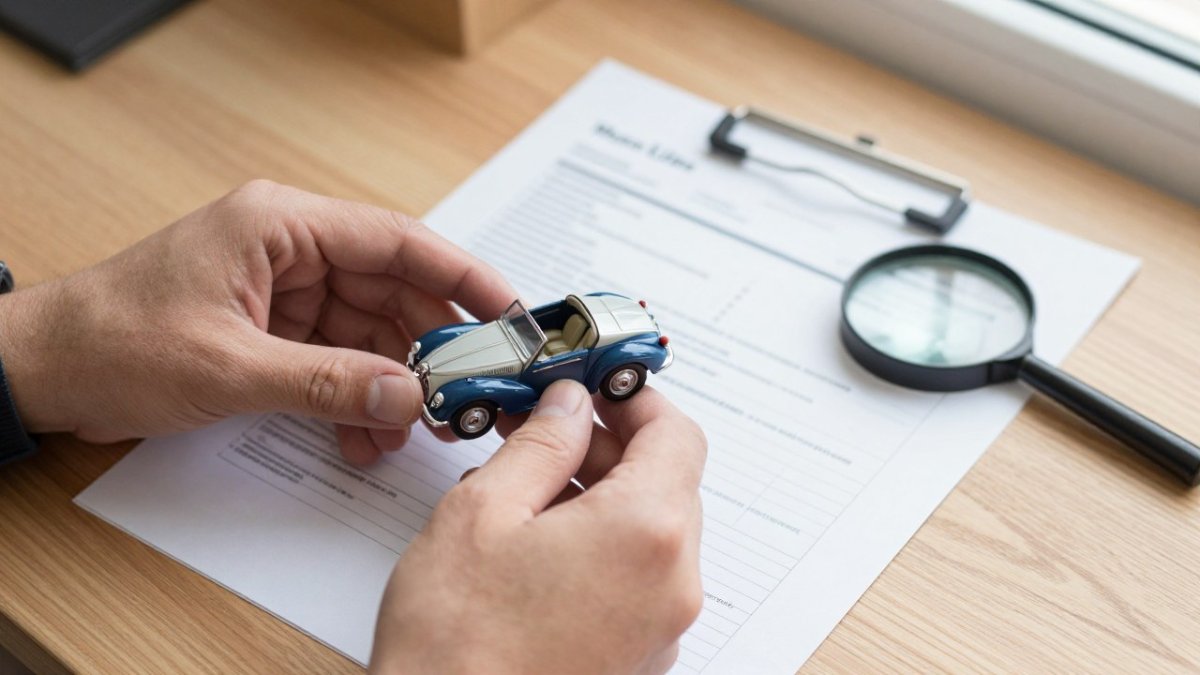
An appraisal report usually states both replacement cost and market value. Replacement cost is what it would cost to buy the same item new or in similar condition today. Market value is what a willing buyer would pay a willing seller. Insurers often use replacement cost for scheduled items, so ask which figure your policy relies on before you settle on a number.
Market fluctuation matters here. Collectible prices can move quickly, so schedule a reappraisal every few years and update your coverage when values change.
Tracking Collectible Spending for Insurance Records
Good records make claims faster and reduce disputes. Keep receipts, invoices, auction results, and certificates of authenticity in a single digital folder, and store copies off-site as well as at home.
Building an itemized inventory with proof of ownership
An itemized inventory lists each piece with its description, purchase date, purchase price, serial or certification number, and current appraised value. Proof of ownership, such as an original receipt, a provenance record, or a dated photograph, sits alongside each entry. Tracking your spending this way also shows you where your collection is growing and helps you budget more deliberately.
Collectible Insurance Riders vs Scheduled Personal Property
A rider is an endorsement added to your existing homeowners or renters policy. Scheduled personal property is a separate listing of specific items on that policy, each with its own limit. Riders are often the quicker option for a smaller collection. Scheduled coverage tends to suit larger collections because each item is valued individually and covered at its agreed value. For vintage sports memorabilia, documenting each piece’s identity and condition can support an agreed value, and Jackson's Jerseys & Memorabilia connects that valuation question to the care such items require.
Compare the deductible, premium, and claim terms for both before you decide. Some insurers offer a specialty collectibles policy as a third option, which can be a better fit for high-value collections.
Storage, Climate Control, and Risk Reduction Requirements
Storage is one of the few collectible-insurance factors you control completely, and it is also the one most often cited when a claim is reduced or denied. Insurers rarely publish a single rulebook, so the practical approach is to ask your carrier for its written storage or protective-device conditions before you schedule items, then build your setup around those terms.
The conditions that matter most depend on the material. Paper goods, including trading cards, comic books, and signed documents, are sensitive to humidity and light, and prolonged exposure to direct sunlight can fade inks and yellow paper. Sealed model kits and vintage toys degrade through heat cycling, which can soften box glue, warp cardboard inserts, and cause plastic parts to become brittle.
A workable approach is to keep each category in its own environment rather than storing everything in one room. Use an interior space away from exterior walls, which see the largest temperature swings, and avoid attics, basements, and garages unless they are conditioned. Sealed cabinets with inert materials, such as archival-safe boxes and acid-free sleeves, reduce the chance that the storage itself causes damage.
Security and fire protection work the same way. Monitored alarm systems, fire-resistant storage for documents, and a room with no exterior-facing high-value shelving are the measures most often asked about. Note which of these you have on your application, and keep the installation receipts with your inventory. Insurers evaluate what you declared, so an undocumented security upgrade may not affect your rate.
Review your storage setup at least once per season, especially before summer and winter, when heating and cooling cycles change conditions most. Document each review with a dated photo or log entry. You can also find climate controlled storage for model kits that keeps sealed boxes away from heat and humidity if your current space does not meet the conditions your insurer lists.
The article's key storage considerations, by material, are summarised below.
| Item type | Main risk | Storage note |
|---|---|---|
| Paper goods (trading cards, comics, signed documents) | Humidity and light | Fading and yellowing from direct sunlight |
| Sealed model kits and vintage toys | Heat cycling | Softened box glue, warped inserts, brittle plastic |
| Metal coins and currency | Moisture and handling oils | Spotting that can lower grade |
| Any collectible | Exterior walls, attics, basements, garages | Avoid unless conditioned; interior rooms preferred |
| Any collectible | Unmonitored conditions | Use a digital hygrometer and thermometer at item level |
Filing a Claim and Tax Considerations for Collectibles
Filing a claim for a damaged collectible is different from buying coverage, and the steps you take in the first few days often determine how smoothly the settlement goes. The sequence below reflects the common process most carriers follow, though your policy wording controls the details.
First, protect the property and prevent further damage. Your policy generally requires reasonable steps to limit additional loss, such as moving undamaged pieces away from water, drying items in a ventilated space, and avoiding repairs or cleaning that could alter condition. Do not discard damaged items until the insurer has inspected them or approved disposal in writing.
Second, notify your insurer promptly, ideally by phone followed by written confirmation. Record the date, the representative's name, and the claim number. Ask what documentation they will require, and whether they will send an adjuster or ask for independent photos.
Third, document the loss thoroughly. Photograph each damaged item from several angles, include close-ups of the damage and any certification or serial numbers, and match each item to its entry in your inventory. Keep the original purchase records, certificates of authenticity, and the most recent appraisal together. Where a grading service certified the item, note the certification number, since a damaged or cracked slab may need separate verification.
Fourth, expect a valuation step. For scheduled items, the agreed value in your policy usually governs. For unscheduled items, the insurer may settle at actual cash value, which subtracts depreciation, so compare the settlement basis against your policy language before accepting an offer.
Fifth, get the settlement terms in writing, including the payment method, the timeline, and any amount withheld for depreciation or a deductible.
Tax treatment is less predictable and depends on your situation. Casualty losses from theft or disaster may be deductible under federal rules, and in many cases the deduction is limited to losses in federally declared disaster areas, with the rules changing over time (Topic no. 515, Casualty, disaster, and theft losses).
Getting Your Collection Covered This Week
Start by listing your five most valuable pieces, pulling their receipts, and getting a current appraisal for each. Then call your insurer and ask how they handle scheduled collectibles. Bring your inventory and appraisal reports to that call so the quote reflects your actual collection. You can also learn more about tracking collectible spending to keep your records organized from the start, and browse our collection at Utopia Toys and Models whenever you are ready to add to it.
Frequently Asked Questions
Do trading cards qualify for collectible insurance? Yes, graded trading cards are commonly insured. Certification numbers from recognized grading services help insurers verify condition and value.
Is an appraisal required for insurance? Many insurers require an appraisal for scheduled items above a set value. Check your policy, since requirements vary.
Does homeowners insurance cover collectibles? Standard policies often cap coverage for collectibles at low sublimits, so a separate rider or schedule is usually needed for full protection.
Frequently Asked Questions
What is a collectible for insurance purposes?
For insurance, a collectible is a tangible item of personal property that holds value beyond its everyday use and is often worth more than standard homeowners policy limits allow. Common examples include fine art, sports memorabilia, trading cards, vintage toys, luxury watches, numismatic coins, philately, and high-end anime figures or Gunpla model kits. Insurers generally want to see that the item has a documentable value, a clear owner, and a way to be identified, such as a serial number, photographs, or a provenance record. Items with low or hard-to-verify value may be excluded or capped, so confirm eligibility with your carrier before assuming coverage.
Does standard homeowners insurance cover rare model kits and figures?
Standard homeowners policies usually include only limited coverage for valuable personal property, often with sub-limits for categories such as jewelry, art, or collectibles. A rare Gunpla kit or limited-edition figure may be covered only up to that cap, and it may be valued at replacement cost or actual cash value rather than the amount you paid or what it would sell for today. If your collection is worth more than the sub-limit, ask your agent about a scheduled personal property endorsement, which lists each item and its agreed value.
How do I prove the value of my collectibles for an insurance claim?
Keep a written appraisal from a qualified appraiser, original receipts or invoices, photographs showing the item and any markings or serial numbers, and records of any certificates of authenticity. For items that fluctuate in price, such as trading cards or certain figures, save dated market reports or auction results that support your stated value. Store copies of this documentation outside the home, such as in cloud storage, so it survives a fire, flood, or theft. Insurers may request this proof before they agree to pay a claim.
What is the difference between an appraisal and a market valuation for insurance?
An appraisal is a formal written opinion of value prepared by a qualified appraiser, usually stating the item's replacement cost or appraised value for insurance purposes. A market valuation reflects what the item would sell for at a given time, based on recent sales, auction results, or dealer quotes. Insurers often prefer a formal appraisal for scheduled items because it fixes an agreed value, while market valuations can change over time. Many collectors update appraisals every few years to keep coverage aligned with market fluctuation.

