

Last Updated: November 7, 2026
Quick Summary
Model kit insurance protects valuable box collections beyond the caps in a standard homeowners or renters policy, which treats kits as ordinary personal property. Separate coverage or a scheduled rider is worth it once your collection value climbs past your homeowners sub-limit or you own several high-value sealed kits.
- A typical policy applies a smaller sub-limit to collectibles, hobby items, or memorabilia.
- Check your declarations page for your collectibles sub-limit and per-item cap.
- Value each kit from dated completed sales, not asking prices or memory.
- Photograph every box on all six sides plus the receipt and any appraisal.
- Ask your agent whether coverage follows a kit in transit or away from home.
Table of Contents
- Why Model Kit Boxes Need Their Own Insurance Strategy
- How Homeowners Insurance Collectibles Coverage Works
- How to Value a Model Kit Collection
- Build a Model Kit Collection Inventory Template
- Finding the Best Collectibles Insurance for Your Collection
- Storage, Shipping, and Transit Coverage for Boxes
- How to File a Claim for Damaged or Stolen Kits
- Start Your Collection Inventory Before Your Next Kit Arrives
- Frequently Asked Questions
Why Model Kit Boxes Need Their Own Insurance Strategy
A standard homeowners or renters policy treats a model kit collection as ordinary personal property, which is exactly the problem.
The box itself is the part most people overlook. A sealed kit, a display-grade box with clean corners, and a built model sitting on a shelf are three very different assets.
Here is what most guides get wrong: they talk about "collections" as one lump. Model kit collectors know better.
How Homeowners Insurance Collectibles Coverage Works
Homeowners insurance collectibles coverage usually exists, but it comes with limits. A typical policy covers personal property up to a set percentage of your dwelling coverage, then applies a smaller sub-limit to categories like collectibles, hobby items, or memorabilia.
Three terms decide whether your kits are actually protected:
- Policy limit: the total the insurer will pay for the covered category
- Per-item limit: the most they will pay for any single kit or box
- Deductible: what you pay out of pocket before coverage kicks in
A high-value sealed kit can easily exceed a per-item limit. When that happens, the policy pays the cap, not the value. Many collectors discover this only after a loss.
How to Value a Model Kit Collection
Valuing a model kit collection means establishing what each box would actually sell for today, not what you paid or what a seller is asking.
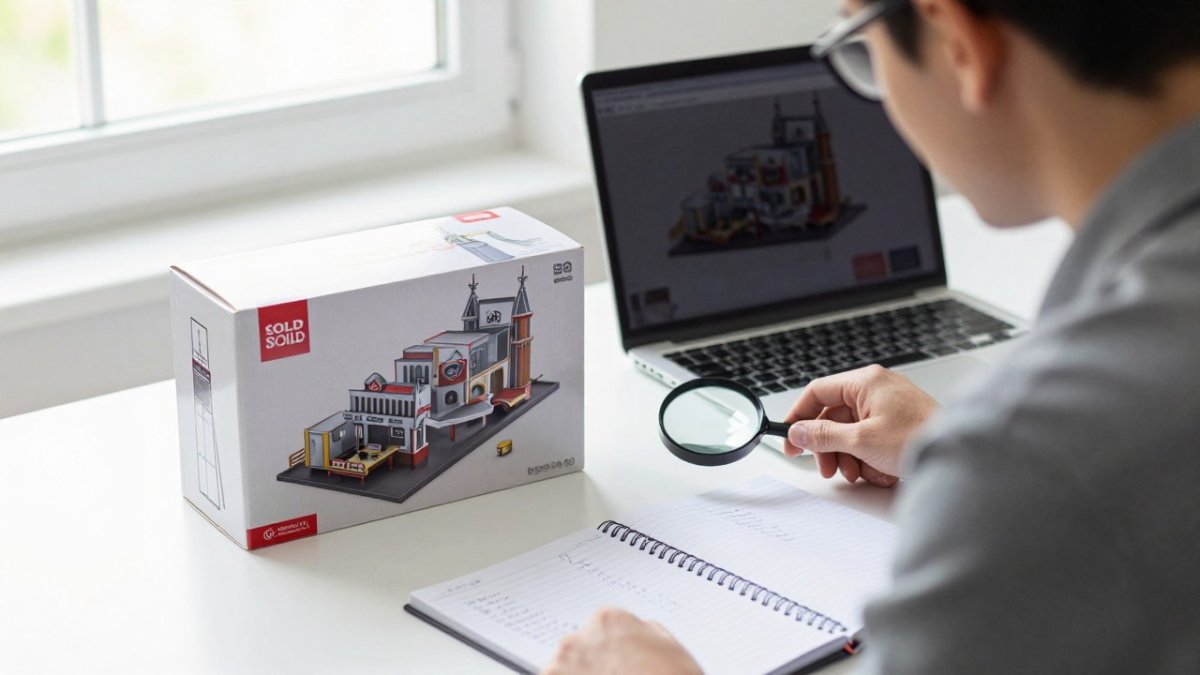
A Condition-Based Valuation Framework
Treat every item as one of five states, and value each state differently:
- Sealed kit. Factory seal intact, box square, no sun fade, no crushing. This is the top of the market for any given kit. Value it at the recent sold price for sealed examples of the same kit, same scale, same edition.
- Opened kit, contents intact. Seal broken but runners still bagged or complete, box clean with sharp corners. Expect a meaningful discount from sealed, often a large fraction of the sealed price depending on how collectible the kit is. Value it from sold listings of opened-but-complete examples, not from sealed prices minus a guess.
- Started or partial kit. Some parts removed or assembled, box present but worn. Value drops sharply and buyers are thinner. Use sold listings for built or partial examples of the same kit where they exist; otherwise value it as a builder's kit, not a collector's item.
- Built model. The kit is spent. Value is display or sentimental, and the box may be gone or damaged. Insure built models separately at a modest replacement figure unless the build itself is a commissioned or contest piece.
- Box-only collectible. Empty boxes, especially vintage or limited-artwork boxes, can hold real value to box collectors and restorers. Value these from sold listings of empty boxes for the same kit and edition, and note that this market is thin, so document every comparable you find.
A premium sealed kit illustrates why the seal is part of the asset: a Wing Gundam Zero EW Perfect Grade release in sealed condition and the same kit opened are not the same insured item. Record the state in your inventory so the policy and the claim both reflect it.
Building Market Evidence for Niche Kits
Niche kits often have few recent sales, and standard appraisal services may not know the hobby well enough to price them. Build your own evidence file per high-value kit:
- Capture completed sales, not asking prices. Save a screenshot of each sold listing showing the final price, the date, the platform, and the condition in the photos. Asking prices are wishes; sold prices are evidence.
- Record the exact variant. Same kit name, same scale, same edition, same box art. Reissues and repackages trade at different levels, so a sale of a different edition is only a rough guide.
- Note rarity and discontinued status. If a kit is out of production or was a limited run, say so in one line and cite the sold listings that show the premium. A high-value limited-run kit such as the Infinite Dimension Advanced Strategic Revenge Titan model kit shows why rarity and demand can outweigh original retail price.
Watch out: valuing a collection from memory or from a single asking price is the most common way collectors end up underinsured; the number has to trace back to dated sold evidence you can hand to an adjuster.
Build a Model Kit Collection Inventory Template
A model kit collection inventory template turns a shelf of boxes into a claim-ready record. Build yours in a spreadsheet with one row per item and these columns:
| Column | What to Enter |
|---|---|
| Item name | Full kit name, scale, and line |
| Condition | Sealed, opened, or built |
| Purchase date | Date and source |
| Purchase price | What you paid, in USD |
| Current value | Your likely resale figure |
| Proof on file | Receipt, photos, appraisal |
| Storage location | Shelf, bin, or room |
Blind boxes are the hardest entries, since you often do not know what is inside until you open it. A real example like this Transformers Defender Version blind box shows why your template needs a field for sealed blind-box status and set completion.
Photographing Boxes, Receipts, and Proof of Ownership
Photograph every box on all six sides, plus the receipt and any appraisal. Shoot in good light, keep the images dated, and back them up off your phone. Proof of ownership is what separates a paid claim from a denied one.
Sealed blind-box products deserve extra shots of the factory seal and packaging. This QMSV Mini Zeta Gundam blind box is a good model for the kind of sealed packaging detail worth capturing before you store it away.
Finding the Best Collectibles Insurance for Your Collection
The best collectibles insurance for your collection is the policy that matches your actual value, not the cheapest quote. Compare providers on four points: whether they schedule individual items, whether they offer agreed value, how they handle packaging-only damage, and what exclusions apply.
Use this checklist when you compare:
- Does the policy schedule high-value kits by name?
- Is coverage agreed value or replacement cost?
- Are sealed boxes and packaging covered as part of the item?
Separate model kit insurance may be worth it once your collection value climbs past your homeowners sub-limit, or when you own several high-value sealed kits. For most casual builders, raising the sub-limit or adding a scheduled rider is enough.
Storage, Shipping, and Transit Coverage for Boxes
Cardboard packaging is the most fragile part of a model kit collection and the part most likely to lose value without the contents being destroyed. Storage and transit are where that happens, so treat them as insurance decisions, not just housekeeping.
Storage Risks Specific to Boxes
- Humidity and water. Cardboard absorbs moisture, warps, and grows mold; a burst pipe or a damp basement can ruin a box while the plastic inside is fine. Store kits off the floor on shelving, keep them out of basements and garages where damp and flooding are common, and use rigid, lidded bins rather than open cardboard cartons.
- Sunlight. Direct sun fades box art and yellows white cardboard. Keep shelves away from windows and use bins or cabinet doors to block light.
- Crushing and stacking. Corners crush under weight. Store boxes upright and avoid stacking heavy kits on top of lighter ones; a crushed corner on a sealed kit can cut its resale value even though the model is untouched.
Watch out: storing boxes in a garage or basement invites water damage and pest loss, and many policies exclude or limit both, so confirm your policy's water and pest terms before you rely on that space.
Shipping and Temporary-Location Coverage
Collectors buy, sell, trade, and transport kits, and coverage does not always follow the box.
When you ship, pack for the claim you hope never to file: double-box the kit, cushion corners, keep the factory seal visible in photos before packing, and retain the shipping receipt and tracking. Component-heavy sets such as this Transformer Defender Devastator set show why careful packing and transit coverage matter when a single missing accessory can reduce value.
Documenting Packaging-Only Damage
A box can lose value without the kit contents being destroyed, and that is the claim most collectors are least prepared for. Photograph the damage before you move anything, shoot the affected corners and faces alongside an undamaged reference photo from your inventory, and write one line on how the condition change affects value using your market evidence. Ask the adjuster directly whether packaging damage is covered under your policy, and keep a claim log of dates, names, reference numbers, and what was agreed.
How to File a Claim for Damaged or Stolen Kits
Filing a claim starts with your inventory, not the insurer's forms.
Partial and packaging-only damage is the tricky part. A crushed box on a sealed kit can cut its value even if the model is fine.
Keep a claim log: dates, names, reference numbers, and what was agreed. Follow up in writing. A clear paper trail speeds settlement and reduces disputes.
Start Your Collection Inventory Before Your Next Kit Arrives
The best time to start is before the next box shows up at your door. Photograph it on arrival, log it in your template, and file the receipt the same day.
At Utopia Toys and Models, we help collectors build shelves worth protecting. Our inventory is ready to ship, with clear status markers for arriving soon and pre-order items so you know exactly what you are getting and when.
Your collection grows one kit at a time, and so should your protection.
Frequently Asked Questions
Does homeowners insurance cover collectible model kits?
A standard homeowners policy usually covers personal property, and model kits fall under that category, but the payout is capped. Many policies limit collectibles to a per-item or per-category amount, and some exclude collections entirely. Check your declarations page for the personal property limit and any collectibles sublimit. If your kits are worth more than that cap, a scheduled endorsement or a standalone collectibles policy is the safer route. Keep receipts and photos so you can prove what you owned.
How do I value rare or discontinued model kits?
Start with recent sold listings on collector marketplaces and auction sites, not asking prices. Record the date, condition, and whether the kit was sealed, opened, or built, because those three states sell at very different levels. For limited Bandai or Kotobukiya releases, note the edition and any region-specific packaging. If a single kit is worth several hundred dollars, a professional appraisal gives you a document your insurer will accept. Revisit values once a year, since discontinued kits can move quickly.
Should I insure the original boxes as part of a model kit collection?
Yes, and treat them as separate line items. For many collectors the box is a large share of resale value: a sealed kit with a clean box outsells the same kit with a crushed or sun-faded box. Photograph all six sides of each box, note corner wear and any tape or price stickers, and store boxes flat or upright away from sunlight and damp. When you file a claim, packaging-only damage is easier to settle if your inventory lists the box condition separately from the kit inside.
What documentation do I need to file a model kit insurance claim?
You need proof of ownership, proof of value, and proof of loss. That means receipts or order confirmations, photos of each kit and its box, an itemized inventory with condition notes, and any appraisals for high-value pieces. After a loss, photograph the damage before you discard anything, keep the damaged packaging, and file the claim promptly with your insurer. A police report helps for theft. Insurers settle faster when your inventory matches the claim line by line, so update it every time a new kit arrives.

