

Table of Contents
- What Makes Expensive Figures Different: Quality, Craftsmanship, and Material
- Scale Figure vs Prize Figure Quality: Understanding the Price Gap
- Do Anime Figures Hold Their Value? Investment Potential Explained
- How to Spot Authentic Anime Figures and Avoid Bootlegs
- The Buyer's Remorse Cycle: Budgeting for a Collection Without Overspending
- Long-Term Maintenance and Preservation Costs
- The Verdict: When Expensive Figures Are Worth It
- Conclusion
Last Updated: August 19, 2026
What Makes Expensive Figures Different: Quality, Craftsmanship, and Material
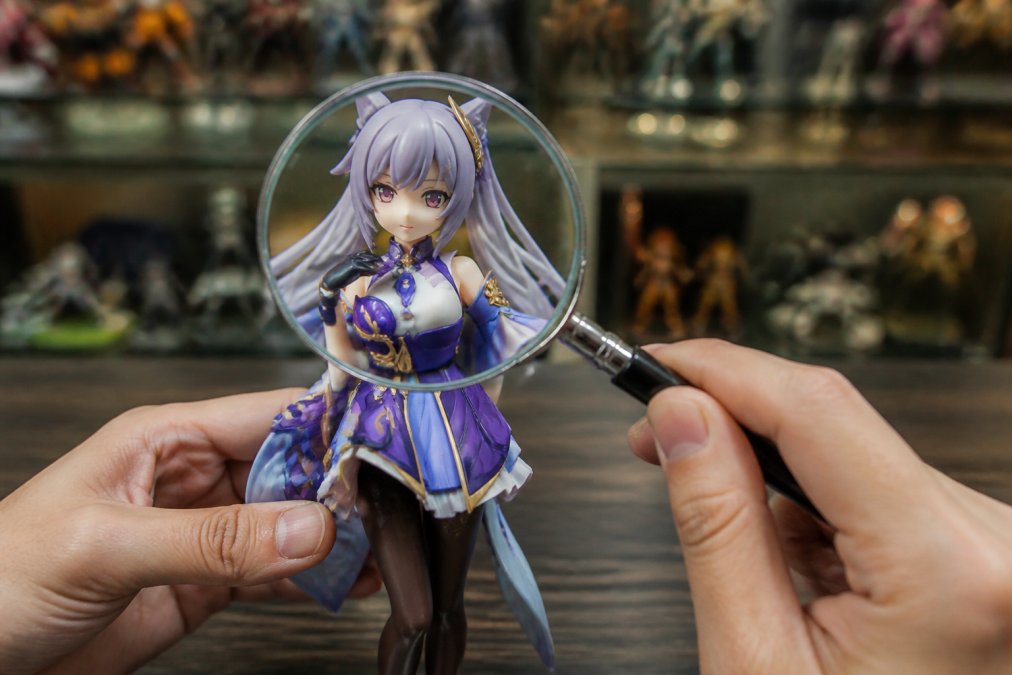
The difference between a $30 figure and a $300 figure comes down to quality, craftsmanship, and material. High-end figures from manufacturers like Kotobukiya and Good Smile Company use superior materials and production methods that directly affect durability and visual impact. A prize figure might have basic facial features painted in two or three colors, while a scale figure in the $150+ range features hand-painted eyes with individual highlights, layered clothing textures, and anatomically precise proportions.
Material Quality and Durability
Most figures use either PVC (polyvinyl chloride) or ABS (acrylonitrile butadiene styrene) plastic. Prize figures typically use standard PVC that yellow under UV exposure, while expensive collectibles use premium PVC formulations that resist discoloration and maintain flexibility. Paint application quality compounds this difference: budget figures use spray-applied paint that chips easily, while expensive figures receive hand-painted details with multiple layers of sealant. A $40 figure will fade noticeably in five years near a window, whereas a $200 figure from a reputable manufacturer should look nearly identical after a decade of normal display.
Joint durability is equally important. Cheap figures have loose articulation joints from day one, while premium figures use tighter tolerances and reinforced ball joints that hold poses without degradation. Quality engineering keeps figures poseable for years.
Sculpting Detail and Paint Application
High-end manufacturers invest in master sculptors who hand-craft original molds, resulting in accurate facial proportions, distinct clothing folds, and character-specific accessories. Paint application separates tiers most visibly: a $50 figure might have solid-color clothing and basic facial features, while a $200 figure features gradient shading on clothing, individual strands of hair painted with highlights, and eye pupils with depth and reflection. Hand-painted elements on premium figures include details impossible to mass-produce, justifying much of the price premium.
Scale Figure vs Prize Figure Quality: Understanding the Price Gap
Prize figures are carnival-style collectibles designed for volume production and impulse purchases. Manufacturing costs stay minimal through simplified sculpting, single-color paint applications, and basic materials. A prize figure typically costs $5-15 to produce and sells for $15-40.
Scale figures represent the opposite philosophy. Manufacturers create these as intentional collectibles for dedicated hobbyists, with detailed sculpting, meticulous paint application, and materials chosen for longevity. A scale figure might cost $50-150 to produce and retail for $120-300. The quality difference is immediately visible: a prize figure has flat paint and basic proportions, while a scale figure has depth in paint work and anatomically accurate sculpting. Comparing a $40 prize figure to a $200 scale figure means comparing two entirely different manufacturing categories.
Limited Edition and Market Demand
Expensive figures often command their prices partly because of scarcity. A figure produced in 5,000 units will hold value differently than one produced in 50,000 units. Market demand fluctuates based on character popularity, anime season timing, and collector sentiment. A figure based on a trending anime character might appreciate 50% in value within months, while the same quality figure based on an obscure character might depreciate. Pre-order culture amplifies this dynamic, with limited production figures selling out immediately and forcing collectors to pay secondary market premiums.
Resale Value vs Personal Enjoyment
The resale value question matters only if you plan to sell. For most collectors, the figure sits on a shelf for years, and resale value becomes irrelevant. Expensive figures do hold value better than cheap ones, but the percentage loss is similar. A $200 figure might resell for $150 after five years, while a $40 figure might resell for $20. The real value calculation is straightforward: divide the figure's cost by the years you'll display it. A $200 figure displayed for ten years costs $20 per year. If you're buying for personal enjoyment, resale value should be a secondary consideration.
How to Spot Authentic Anime Figures and Avoid Bootlegs
Counterfeit figures flood the market, especially for popular characters. Bootlegs are typically produced by unauthorized manufacturers using stolen molds, with cheap materials, sloppy paint application, and fragile joints. A bootleg might cost $30 while the authentic version costs $150, but bootlegs yellow, crack, and degrade within months. custom memorabilia value.
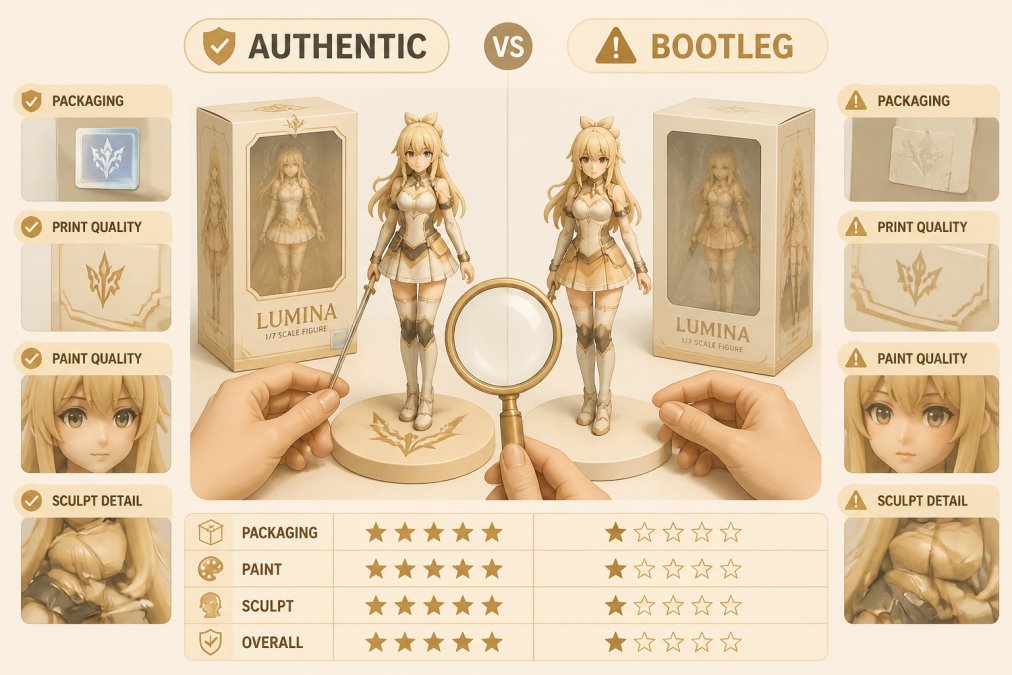
The easiest authentication method is checking the packaging. Legitimate manufacturers include detailed product information, official logos, and manufacturing details, while bootlegs have misspelled text, blurry printing, or missing information. Paint quality is the second major authentication signal: authentic figures have clean paint lines and consistent color application, while bootlegs have paint bleeding and rough edges.
Seller reputation matters more than price. Buying from authorized retailers like Utopia Toys and Models eliminates counterfeit risk. Serial numbers and holographic stickers sometimes included on premium figures can be verified against manufacturer databases. If a seller claims authentication features but can't provide verification, that's a red flag.
The Buyer's Remorse Cycle: Budgeting for a Collection Without Overspending
Expensive figures create a psychological spending trap. The cycle typically starts with impulse purchases during new anime seasons. Within months, you've spent hundreds on impulse purchases that seemed individually justified but collectively exceed your budget. Remorse arrives when you realize your collection has grown beyond your display space and financial comfort.
This cycle is particularly damaging with blind boxes and mystery figures, where the gambling element creates compulsive purchasing behavior. Effective budgeting requires setting monthly or quarterly limits and sticking to them. Prioritize figures you genuinely love over completionist collecting. Creating a wishlist and waiting 30 days before purchasing helps distinguish genuine desire from impulse. Figures you still want after a month are worth buying; figures you forget about probably weren't essential.
Long-Term Maintenance and Preservation Costs
The cost of owning expensive figures extends beyond the initial purchase. Display cases protect figures from dust, sunlight, and accidental damage. A basic glass cabinet like the IKEA DETOLF costs around $129 and provides adequate protection. Premium display cases designed specifically for figures run $300-800.
Cleaning supplies maintain figure appearance over time. Specialized dusting brushes cost $15-25 and prevent damage from household materials. Climate control affects preservation costs: figures stored in humid environments experience faster paint degradation. Maintaining 40-50% humidity preserves figures indefinitely. Professional restoration services cost $50-300 per figure depending on damage extent. Long-term preservation costs typically add 10-20% to the initial purchase price over a decade.
The Verdict: When Expensive Figures Are Worth It
Expensive figures are worth buying if you genuinely love the character or design enough to display it long-term, your budget accommodates the purchase without financial strain, you have adequate display space and preservation capability, you understand the character's cultural moment, and you distinguish between scale figures and prize figures.
For collectors who meet these criteria, expensive figures deliver value that cheaper alternatives don't. The craftsmanship, material quality, and detail level create shelf presence that budget figures can't match. For impulse buyers, casual collectors, or people with limited display space, expensive figures are rarely worth it. Prize figures and mid-range scale figures ($50-100) provide better value for these collectors.
Deciding whether expensive figures are worth buying ultimately comes down to your values as a collector. If you're serious about building a collection you'll display and enjoy for years, quality matters enough to justify the cost. Utopia Toys and Models carries premium brands like Bandai, Kotobukiya, and Funko that deliver the craftsmanship and durability that make expensive figures hold their appeal. The key is buying intentionally, figures you genuinely love, with a budget you can sustain, and with realistic expectations about resale value. That approach transforms expensive figures from financial mistakes into centerpieces of a collection you'll treasure.
Frequently Asked Questions
Which anime figures are actually worth money as investments?
Limited edition figures from established manufacturers like Bandai and Kotobukiya typically hold value better than mass-produced prize figures. First-run releases, discontinued lines, and figures tied to popular franchises tend to appreciate. However, condition matters enormously, figures in original packaging with intact paint and no damage command significantly higher resale prices. Grading services like AFA can authenticate and grade valuable figures, increasing buyer confidence and resale potential. Most standard collectibles appreciate slowly, so buy primarily for personal enjoyment rather than financial returns.
What's the difference between scale figures and prize figures in terms of quality?
Scale figures are manufactured with precision engineering, higher-quality materials like PVC and ABS, detailed paint application, and articulation or poseable joints. They're designed for serious collectors and come with premium packaging. Prize figures are mass-produced blind box items made with lower-cost materials and simpler paint work, they're designed for casual appeal rather than display quality. Scale figures cost significantly more but offer superior detail level, durability, and aesthetic appeal. If you're investing in an expensive figure, a scale figure from a reputable manufacturer provides better long-term value and visual presence on display.
How can I tell if an anime figure is authentic or a bootleg?
Examine packaging carefully, authentic figures have crisp printing, proper logos, and secure sealing. Check the figure itself for paint quality, consistent color application, and sharp sculpting details. Bootlegs often have sloppy paint lines, uneven coloring, and rough edges. Feel the material, genuine PVC and ABS have specific weight and texture that counterfeits rarely match. Buy from authorized retailers like Utopia Toys and Models, AmiAmi, or Akiba Soul to ensure authenticity. If purchasing second-hand, request detailed photos of packaging, seams, and paint work. For high-value figures, professional authentication services like AFA can verify originality and provide graded certification.
Are expensive figures worth the cost if I'm just starting to collect?
Start with mid-range figures from established brands to understand your preferences before investing heavily. Expensive figures are worth buying once you've identified your favorite franchises, preferred manufacturers, and display style. Build your collection gradually, a few high-quality pieces display better than many lower-quality ones. Budget consistently rather than making large impulse purchases; this prevents buyer's remorse and helps you avoid overspending on blind boxes. Once you understand scale, articulation, paint quality, and character accuracy, you'll know when an expensive figure genuinely justifies its price for your collection.
This article was written using GrandRanker