

Table of Contents
- Why Bootleg Anime Figures Matter: The Real Costs
- How to Spot Fake Anime Figures: Visual Red Flags
- Verify Authenticity Before Purchase
- How to Spot Fake Anime Figures: Pricing and Seller Warnings
- Evaluate Reputable Anime Figure Retailers
- Is Buying Bootleg Anime Figures Illegal?
- Protect Yourself: Action Steps for Safe Collecting
- Conclusion
Last Updated: August 6, 2026
Why Bootleg Anime Figures Matter: The Real Costs
Counterfeit anime figures flood the market every year, extending far beyond wasting money on poor-quality knockoffs. When you purchase a bootleg, you're supporting illegal manufacturing operations that exploit labor, ignore safety standards, and undercut legitimate creators and retailers. Bootleggers profit while original artists, studios, and authorized distributors lose revenue that funds future projects.
Bootleg figures contain substandard materials. Paint cracks and peels within months. Plastic becomes brittle and yellows prematurely. Joints fail, leaving your collectible with loose limbs or immobilized articulation.
Utopia Toys and Models works directly with official distributors like Bandai, Funko, and Kotobukiya to ensure every item is authentic. When you buy from a reputable retailer, you're investing in quality that lasts while supporting the industry that creates the anime you love.
How to Spot Fake Anime Figures: Visual Red Flags
The first line of defense against bootleg anime figures is visual inspection. Authentic figures display consistent quality across packaging, paint, sculpting, and finishing details. Counterfeiters cut corners at every stage, leaving traces you can recognize.
Packaging Quality and Print Details
Examine the packaging before opening it. Authentic anime figure packaging uses high-quality cardstock with sharp, precise printing. Colors are vibrant and consistent. Text is crisp with no bleeding or misalignment.
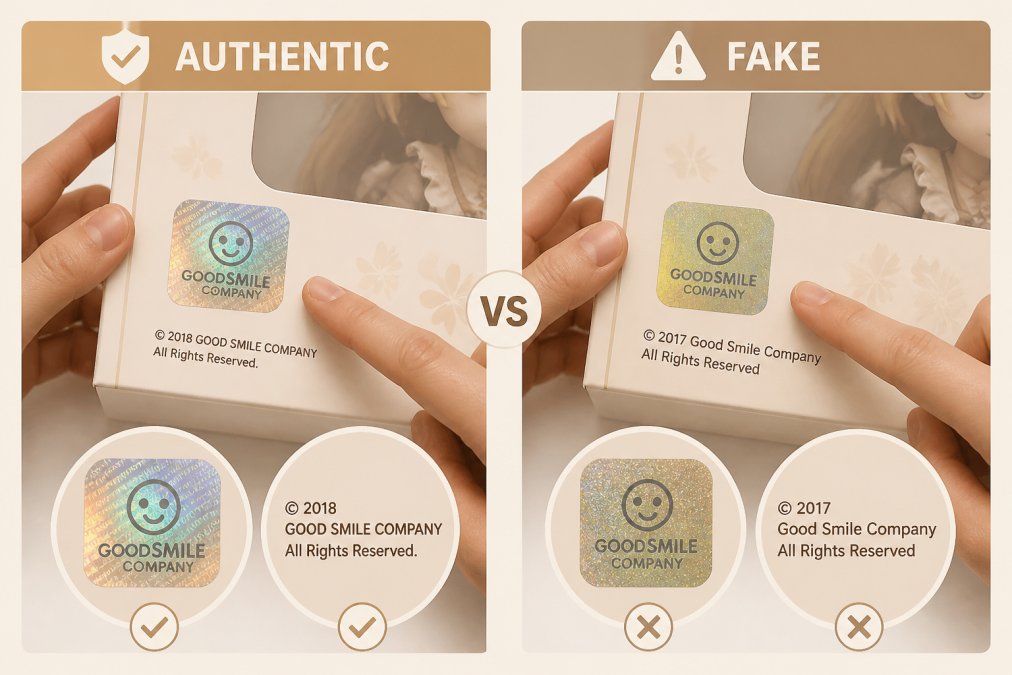
Bootleg packaging shows telltale signs: fuzzy or pixelated artwork, color registration errors where layers don't align, and blurry or off-center text. Authentic holograms display multi-layered depth and color-shift effects when tilted; counterfeit versions are flat and lack dimensional quality.
Check copyright text carefully. Legitimate figures include proper copyright notices, trademark symbols, and manufacturer information printed clearly. Bootlegs frequently have misspelled text, missing symbols, or incomplete information. Compare base plate details against official brand websites, if text differs from official examples, you're likely looking at a counterfeit.
Paint Job and Sculpt Quality
Open the package and inspect the paint immediately. Professional manufacturers use precise painting techniques. Colors should be even and opaque with no streaking or dripping. Paint lines should be clean where colors meet, with no bleeding or fuzzy transitions.
Bootleg figures display sloppy paint work: uneven application with thin spots where plastic shows through, dull or washed-out colors, and paint pooling in crevices or creating visible drips.
The sculpt quality separates authentic figures from counterfeits more than any other factor. Run your fingers across the surface. Authentic sculpts have smooth transitions, crisp details, and no rough patches. Mold lines should be minimal and carefully cleaned. On bootlegs, mold lines are pronounced and rough, sometimes with visible plastic flashing.
Check paint coverage on small details like eyes, mouth, and insignia. Authentic figures maintain precision even on tiny elements. Bootlegs frequently have sloppy eye paint, smudged mouth details, or missing insignia.
Mold Lines and Joint Articulation
Examine where plastic parts meet. Authentic figures show minimal mold lines that have been carefully sanded and finished. Joints move smoothly with appropriate tension.
Bootleg figures have pronounced mold lines that weren't properly finished. Joints may be too loose or too tight, risking cracked plastic if posed. Test articulation carefully, move arms, legs, and rotating parts through their full range. If a joint feels unstable or makes grinding sounds, the figure is likely counterfeit.
Verify Authenticity Before Purchase
Visual inspection catches obvious counterfeits, but sophisticated bootleggers have improved their techniques. Verification steps add a second layer of protection before purchase.
Check Serial Numbers and Batch Codes
Most legitimate anime figures include a batch code or serial number on the figure or packaging. This code identifies the manufacturing run and allows verification through the manufacturer's database or official retailers.
Before purchasing, ask the seller for the batch code. Legitimate retailers can provide this information. Cross-reference the code with the manufacturer's official documentation or contact them directly. Many counterfeiters don't include batch codes at all or use fake codes that don't match any official production run.
Batch code formats vary by manufacturer. Bandai figures typically include codes on the box. Kotobukiya figures have codes on the base. Funko figures include batch information on packaging. Learn the format for your specific figure, then verify it before purchase.
Look for Official Licensing and Hologram Stickers
Authentic anime figures display official licensing information prominently. Packaging should include logos from the anime studio, figure manufacturer, and licensing organizations, printed clearly with proper colors and proportions.
Hologram stickers serve as security features on premium figures. These display multiple layers of depth when tilted, with color-shifting effects and intricate patterns. Bootleg holograms are flat reproductions lacking dimensional depth. If a hologram peels off cleanly without tearing, it's likely counterfeit, authentic security holograms are designed to be difficult to remove.
Hologram placement matters too. Official manufacturers place holograms consistently across all figures from a production run. If positioning differs from online examples, the figure may be counterfeit.
How to Spot Fake Anime Figures: Pricing and Seller Warnings
Price is a powerful indicator of authenticity. Understanding normal pricing helps you identify suspiciously cheap deals that signal counterfeits.
Price Points That Seem Too Good to Be True
Legitimate anime figures carry consistent pricing across authorized retailers. Significant discounts appear occasionally during sales or discontinuation, typically 15-25% off regular pricing, not 50% or more.
If a figure is priced dramatically below market value, ask why. Bootleggers price counterfeits low to move volume quickly before customers discover the deception. Before assuming you've found an amazing deal, verify the seller's reputation and authenticity.
Pricing varies slightly between retailers based on shipping and overhead, but authorized retailers stay within a predictable range. If one seller's price is drastically different, that's a warning sign. Check multiple authorized sources to establish the normal price range.
Beware of 'China' or 'CN' Version Labels
Some bootleggers label counterfeits as "China version" or mark them "CN" to suggest they're legitimate regional versions. This is deceptive. Authentic anime figures may be manufactured in various countries, but legitimate versions are never marketed as "China versions."
If a listing mentions "China version" or "CN version," treat it as a major red flag. Authorized manufacturers don't use this terminology. Check where the figure is shipped from, listings from regions known for counterfeit production warrant extra scrutiny.
Evaluate Reputable Anime Figure Retailers
Your choice of retailer is your most powerful tool for avoiding bootleg anime figures. Reputable retailers maintain relationships with official manufacturers and stand behind their products.
Verify Seller Reputation and Feedback
Before purchasing, research retailer reputation thoroughly. Check customer reviews on independent platforms. Look for patterns: consistent praise for authentic products and reliable shipping indicates trustworthiness. Complaints about counterfeit figures are serious red flags.
On marketplaces like eBay or Amazon, examine seller feedback carefully. Long-term sellers with thousands of positive reviews and low complaint rates are generally reliable. Be cautious of new sellers with limited feedback or complaints mentioning counterfeits.
Contact the retailer directly with authenticity questions. Legitimate retailers happily explain sourcing and provide batch code information. If a seller is evasive, take your business elsewhere.
Utopia Toys and Models maintains direct relationships with official distributors like Bandai, Funko, and Kotobukiya. Our inventory is curated to ensure authenticity, and our team can answer detailed questions about any figure.
Secondary Market Verification
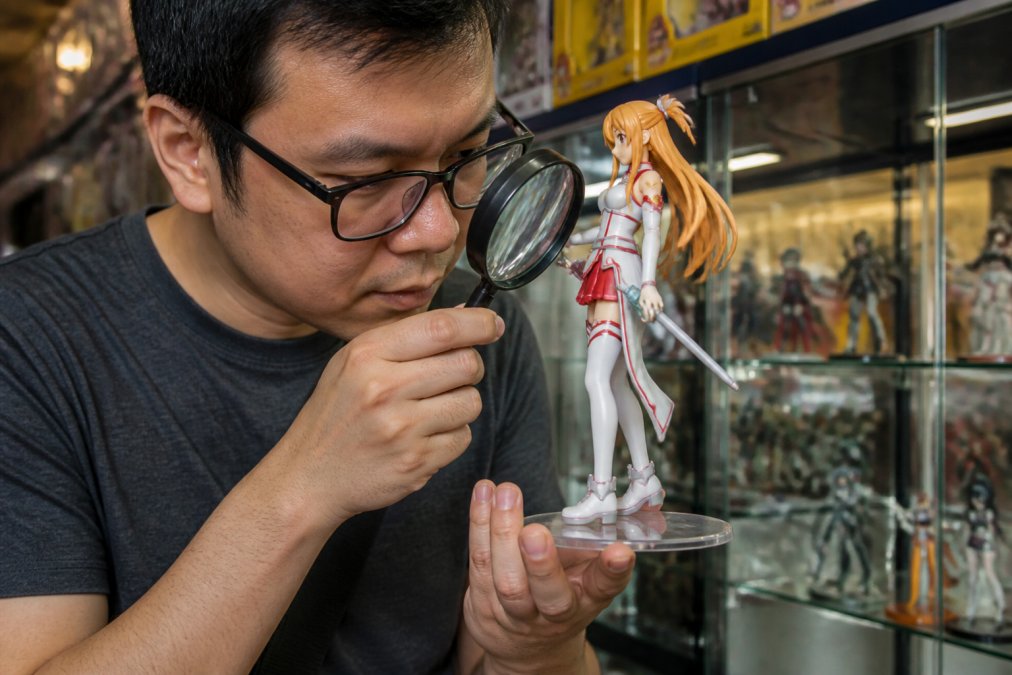
The secondary market carries higher counterfeit risk than authorized retailers. Request detailed photos from multiple angles before committing. Ask specific questions about condition, batch code, and purchase history. Legitimate collectors answer confidently; evasive responses suggest unknown authenticity.
Check seller history on the platform. Collectors with established reputations and consistent positive feedback are generally trustworthy. Many secondary market sellers provide proof of purchase from authorized retailers, request this documentation. A receipt from an official distributor adds significant credibility.
Compare asking prices to current market rates. Secondary market prices should be comparable to or slightly lower than retail, depending on condition and rarity. Prices significantly below market value suggest counterfeits.
Is Buying Bootleg Anime Figures Illegal?
In the United States, knowingly purchasing counterfeit merchandise violates intellectual property laws. Federal law prohibits trafficking in counterfeit goods. While individual collectors are rarely prosecuted for purchasing a single counterfeit figure, legal risk increases if you resell counterfeits or purchase in large quantities. Retailers and resellers face serious legal consequences.
Beyond legal concerns, purchasing bootlegs supports criminal enterprises frequently connected to organized crime, labor exploitation, and unsafe working conditions. Bootlegging undermines the anime industry, studios, animators, and creators depend on legitimate merchandise sales to fund future projects.
Protect Yourself: Action Steps for Safe Collecting
Implement these verification steps before every purchase:
-
Buy from authorized retailers only. Utopia Toys and Models and other established retailers maintain direct relationships with official manufacturers.
-
Research the figure before purchasing. Find official product images, batch code information, and pricing from multiple authorized sources.
-
Request batch codes and verification details. Legitimate retailers provide this information. If a seller refuses, find another source.
-
Inspect packaging thoroughly. Examine printing quality, hologram stickers, copyright text, and base plate information before opening.
-
Examine the figure immediately upon arrival. Check paint quality, sculpt details, mold lines, and joint articulation. Contact the retailer immediately if you receive a counterfeit.
-
Verify seller reputation on secondary markets. Check feedback history, request multiple photos, and ask specific questions about batch codes.
-
Compare prices across authorized retailers. Know the normal price range. Deals that seem too good to be true usually are.
-
Document your purchases. Keep receipts and photos. This documentation proves authenticity and protects your investment.
Building an authentic anime figure collection requires vigilance, but the effort protects both your investment and your passion. Bootleg figures deteriorate quickly and support illegal manufacturing operations that exploit workers and undermine the anime industry. When you choose authentic figures from reputable retailers like Utopia Toys and Models, you're investing in quality that lasts while supporting the creators and studios behind the anime you love.
Frequently Asked Questions
How can you tell if an anime figure is fake?
Check the packaging for pixelated artwork, blurry text, or poor print quality. Examine the figure's paint job for uneven coverage, bleeding colors, or rough edges. Look at mold lines, bootlegs often have visible seams or imperfect sculpt quality. Verify hologram stickers and licensing logos are present. Authentic figures have crisp details, smooth joints, and professional base plates. If the price seems too good to be true, it likely is.
Is buying bootleg anime figures illegal in the US?
Yes. Purchasing counterfeit merchandise violates U.S. trademark and copyright law under the Lanham Act and Digital Millennium Copyright Act (DMCA). Bootleg figures infringe on the intellectual property rights of manufacturers like Bandai and Kotobukiya. While individual collectors rarely face prosecution, knowingly buying knock-offs supports illegal manufacturing. Buying from reputable anime figure retailers ensures you're purchasing authentic, legally produced products.
Why should I avoid bootleg anime figures?
Bootlegs harm creators and official manufacturers who lose revenue. They often use substandard materials, cheap PVC, toxic paints, or poorly molded plastics, creating potential health and safety risks. Counterfeit figures lack quality control, durability, and resale value. You're also supporting illegal operations. Authentic figures from reputable anime figure retailers offer superior craftsmanship, proper licensing, and peace of mind that your purchase is legitimate and safe.
What are the most common signs of a counterfeit anime figure?
Watch for pixelated or blurry artwork on packaging, missing or poorly printed copyright text, and absent hologram stickers or official licensing logos. The figure itself may have visible mold lines, uneven paint coverage, loose joints, or rough edges. Batch codes or serial numbers may be missing or incorrect. The base plate may be poorly finished. Sellers offering multiple 'convention exclusive' versions at low prices are red flags. Compare product photography on official distributor sites to spot reproduction issues.
This article was written using GrandRanker