

Table of Contents
- Why Transparent Availability Information Matters for Toy Specialty Stores
- Where to Buy Rare Anime Figures: The Role of Clear Stock Status
- How to Verify Authentic Collectible Figures Before You Pre-Order
- Benefits of Pre-Ordering From Specialty Toy Retailers
- Real-Time Inventory Syncing Protocols for Specialty Retail
- Customer Communication Templates for Delays and Backorders
- Transparency Metrics Small Toy Stores Should Track
- Frequently Asked Questions
Last Updated: September 29, 2026
Why Transparent Availability Information Matters for Toy Specialty Stores
Transparent availability information for toy store releases is the practice of showing shoppers exactly what is in stock, what is arriving soon, and what is available for pre-order, with clear dates and status labels on every listing. At Utopia Toys and Models, we built our storefront around that idea because vague release dates cost specialty shops more than they realize.
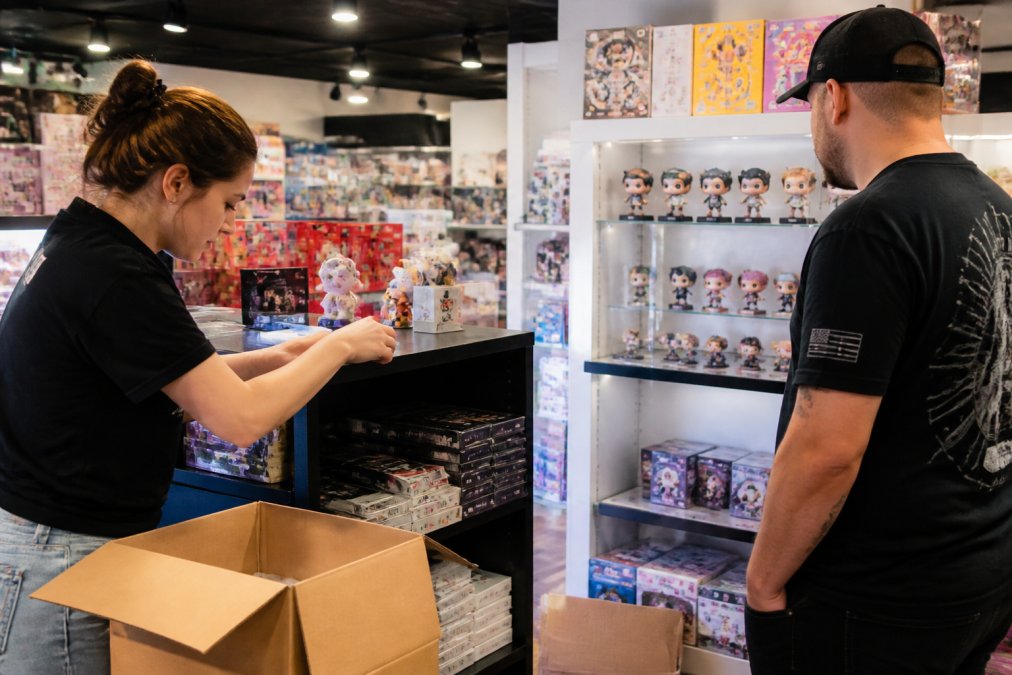
The Cost of Vague Release Dates
Vague dates create three problems at once:
- Lost pre-orders. Shoppers buy from whoever gives them a date they can plan around.
- Refund requests. A buyer who waits too long cancels and rarely comes back.
- Support load. Every "where is my order?" email costs staff time you could spend selling.
Manufacturers shift release windows all the time. That is normal. What separates a good specialty retailer from a bad one is how fast that change reaches the customer.
Where to Buy Rare Anime Figures: The Role of Clear Stock Status
Knowing where to buy rare anime figures starts with one question: can you trust the stock label? A clear status system answers that before you add anything to a cart.
- In stock: physically on the shelf or in the warehouse, ready to ship.
- Arriving soon: confirmed by the supplier, no exact date yet.
- Pre-order: open for reservation, release window listed.
- Backorder: sold out, restock requested, no guarantee.
How to Verify Authentic Collectible Figures Before You Pre-Order
Verifying authentic collectible figures takes five checks, and none of them require special tools:
- Check the official license mark. Bandai, Funko, and Kotobukiya all use specific logos and holographic stickers on legitimate releases.
- Compare the box printing. Fakes often have blurry text, wrong fonts, or misspelled character names.
- Look at the sculpt detail. Counterfeits show soft edges, bad paint lines, and mismatched colors.
- Confirm the seller's sourcing. A retailer that names its distributors is easier to trust than one that does not.
- Read the return policy. A store confident in its stock will stand behind it.
Benefits of Pre-Ordering From Specialty Toy Retailers
Pre-ordering from a specialty retailer gets you a guaranteed allocation, a real person to contact, and updates when the release window moves. That last part is where large marketplaces fall short. But the benefits go deeper than most shoppers realize, and understanding them helps you decide when a pre-order is worth committing to.
How Allocation Actually Works at a Specialty Shop
When a manufacturer announces a limited release, they do not ship unlimited units. They allocate. Allocation is the process of dividing a fixed production run among retailers based on order history, payment terms, and relationship. A specialty shop that has carried a line for years typically receives a larger share than a big-box competitor that orders late.
The Real Trade-Offs of Pre-Ordering
Pre-ordering is not free of risk. Here is what you give up and what you gain:
- You lock in price. If the manufacturer raises the MSRP between announcement and release, your pre-order price usually holds. That is a genuine advantage on collectibles that appreciate.
- You accept a wait. Weeks to months is normal. If you need the item for a specific date, pre-order is the wrong tool.
- You depend on the retailer's communication. A pre-order is only as good as the store's update cadence. Ask how often they send status emails before you commit.
- You may face a deposit. Some specialty shops require a partial deposit on high-value pre-orders to discourage speculative ordering. That is a reasonable practice, but it should be disclosed before checkout.
Pre-Order vs. In-Stock: What Collectors Need to Know
| Factor | Pre-Order | In-Stock |
|---|---|---|
| Availability | Reserved before release | Ships now |
| Price risk | Locked at order | Can change |
| Wait time | Weeks to months | Days |
| Best for | Rare or limited releases | Immediate builds |
| Cancellation | Usually allowed before shipping | Not needed |
| Allocation risk | Capped by store's unit count | None |
| Deposit | Sometimes required | Never |
Pick pre-order when the item is limited or likely to sell out. Pick in-stock when you want to build this weekend.
Real-Time Inventory Syncing Protocols for Specialty Retail
Real-time inventory syncing is the process of pushing stock counts from your point of sale to your website the moment they change. Without it, you sell items you no longer have. Most ranking articles stop there. This section goes further: it is a working protocol you can implement at a single-location specialty shop without an enterprise budget. Achieving this level of precision requires balancing server load against the ideal inventory update frequency to ensure that your digital storefront remains a reliable reflection of the physical shelves.
The Three Sync Architectures (and Which One Fits a Small Store)
There are three common ways to connect a point of sale to an online storefront:
- Direct API integration. Your POS and e-commerce platform share a native connection. Sales in either channel decrement the same count in near real time. This is the cleanest option but requires both systems to support the same integration. Many small-shop POS platforms now offer this for common storefronts.
- Middleware sync. A third-party tool polls your POS every few minutes and pushes updates to your website. Cheaper and more flexible, but introduces a lag window, typically 2 to 15 minutes, during which overselling is possible.
- Manual reconciliation. Staff update counts by hand at set intervals. Only viable for very low-volume shops or items with no online listing. At any real volume, this fails.
The Protocol
A workable protocol looks like this:
- Sync every sale instantly. In-store and online draw from one count. If your architecture cannot do instant, set the poll interval as short as the tool allows.
- Set a buffer. Hold one unit back on low-stock items to cover damage or mispicks. On high-value collectibles, a buffer of one is usually enough; on cheap impulse items, you can run at zero buffer.
- Flag discrepancies daily. A staff member checks any item where the count looks wrong. Do this at open, not at close, so the day starts clean.
- Pause listings automatically when stock hits zero. Manual pausing is the number one cause of overselling during a release drop.
- Log every adjustment so you can trace errors later. A simple spreadsheet with date, item, old count, new count, and reason is sufficient.
Displaying Live Stock Levels to Customers
- Exact count. Show "3 left" when stock is low. This creates urgency but only works if your sync is reliable. If the count is wrong, you lose trust fast.
- Tiered labels. Show "In stock," "Low stock," or "Sold out" instead of a number. Safer when your sync has any lag, because a tier is more forgiving than an exact figure.
- Status plus date. For pre-orders and arrivals, show the status label alongside the expected window. This is the pattern that best serves toy store releases, because it answers both "can I buy it" and "when will I get it."
This is unglamorous work. It is also the difference between a smooth pre-order season and a month of apology emails.
Customer Communication Templates for Delays and Backorders
A delay email should go out the day you learn about the change, not the day the customer asks. Here are two templates you can copy.
Delay notice:
Backorder notice:
Transparency Metrics Small Toy Stores Should Track
You cannot prove transparency without numbers. Track these five:
- Pre-order update rate: share of pre-orders that received at least one status email.
- Average delay notice time: hours between learning of a delay and telling the customer.
- Stock accuracy: percent of listings where the online count matches the shelf.
- Cancellation rate: how many pre-orders get cancelled after a delay.
- Repeat pre-order rate: how many customers pre-order again within a year.
A store that watches these five can fix problems before they become reviews.
Frequently Asked Questions
How can collectors verify the release dates of upcoming anime figures?
Check the manufacturer's official announcement first, then compare it with the specialty retailer's product page. Reputable stores update release dates when the distributor confirms changes. If a store shows 'Arriving Soon' without a specific window, ask for the estimated month directly. Utopia Toys and Models uses clear status indicators for arriving soon and pre-order items, so you always know whether a figure is confirmed, estimated, or already in stock.
What should collectors look for to ensure they are buying authentic merchandise?
Look for the official licensor logo, a holographic sticker from the manufacturer, and consistent packaging print quality. Bandai, Funko, and Kotobukiya all use specific authentication marks on their collectible figures. Buy from retailers who source directly from authorized distributors rather than third-party resellers. If the price seems far below market rate or the packaging lacks a licensor mark, treat it as a red flag and verify before purchasing.
Why is transparent inventory information important for specialty toy retailers?
Transparent inventory information reduces the frustration collectors feel when pre-orders are delayed without explanation. When a store shows real-time stock availability and communicates backorder status promptly, customers trust the pre-order process. This trust leads to repeat purchases and word-of-mouth referrals. Stores that hide delays or list items as in-stock when they are not lose customers to competitors who communicate clearly.
What are the best ways to track pre-order availability for model kits?
Set up email or text notifications on the retailer's product page for the specific kit you want. Follow the manufacturer's social media for production updates. Join collector forums and communities where members share distributor news. Check the retailer's status indicator system, which should distinguish between confirmed pre-orders, estimated arrivals, and in-stock items. Utopia Toys and Models offers clear status indicators so you can plan your purchases without guessing.
Specialty retail lives on trust, and trust breaks fast when a release date slips and nobody says a word. Utopia Toys and Models was built to close that gap, with clear status indicators for arriving soon and pre-order items, most stock ready to ship, and a curated selection of Bandai, Funko, and Kotobukiya releases. Get started with Utopia Toys and Models and know exactly what you are buying and when it arrives.