

Table of Contents
- Kotobukiya vs Good Smile Company: The Quick Verdict
- Sculpting Detail, Paint Application, and Prototype Accuracy
- Good Smile Company Nendoroid vs Scale Figures: What Changes
- Material Durability, Joint Articulation, and Long-Term Aging
- How to Identify Authentic Anime Figures Before You Buy
- Price Point, Aftermarket Trends, and Manufacturing Consistency
- Best Anime Figure Brands for Collectors: Where Each One Wins
- Conclusion: Choosing Between Kotobukiya and Good Smile Company
- Frequently Asked Questions
Last Updated: September 22, 2026
Kotobukiya vs Good Smile Company: The Quick Verdict
The kotobukiya vs good smile company figures debate comes down to one question: do you want to pose your characters or display them? Good Smile Company dominates articulation and character variety through its Nendoroid and Figma lines, while Kotobukiya owns the premium statue space with its Bishoujo and ARTFX J series. This comparison breaks down sculpting, durability, pricing, and authenticity so you can pick the right line for your shelf.
| Category | Good Smile Company | Kotobukiya |
|---|---|---|
| Signature Lines | Nendoroid, Figma, Scale | Bishoujo, ARTFX J |
| Articulation | High (Nendoroid, Figma) | None (static statues) |
| Typical Price Band | $50-$90 | $80-$300 |
| Best For | Posing, photography, variety | Display centerpieces |
Sculpting Detail, Paint Application, and Prototype Accuracy
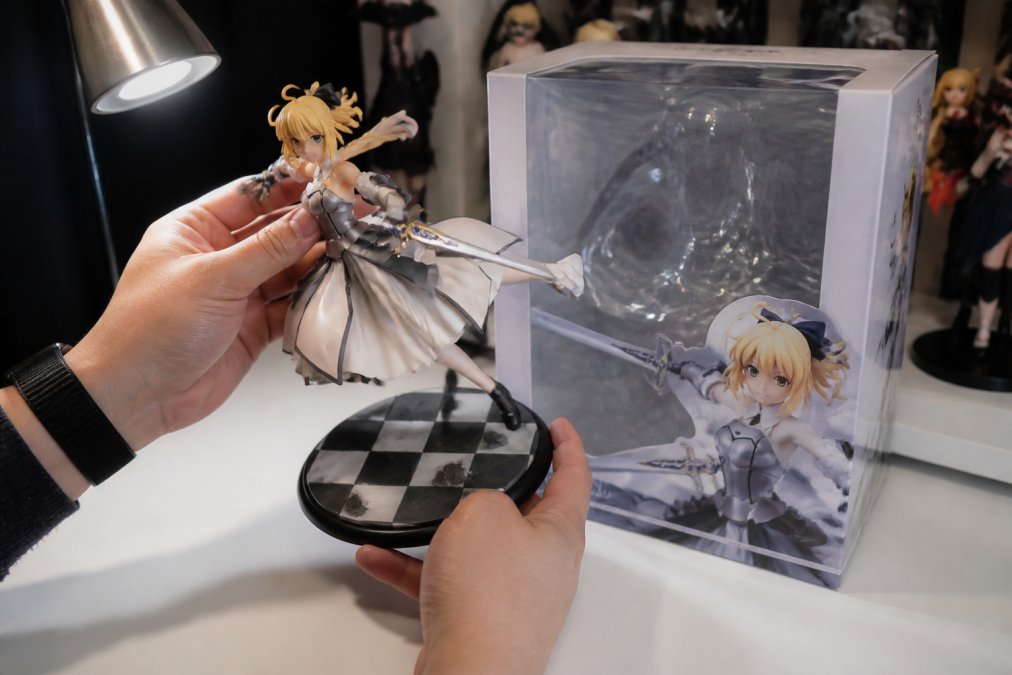
Kotobukiya holds the edge in sculpting detail and paint application on its premium statue lines. The Bishoujo series is built around a single artistic interpretation applied consistently across dozens of characters, and that consistency shows in the sculpting detail and paint work.
Good Smile Company Nendoroid vs Scale Figures: What Changes
The biggest difference between a Nendoroid and a scale figure is what you're buying: a poseable toy or a fixed display piece. Nendoroids are chibi-style articulated figures, typically around 100mm tall, with swappable face plates and limbs. Scale figures are larger, non-articulated statues built for visual fidelity.
- Nendoroid: interchangeable parts, frequent releases, compact footprint, strong resale value
- Figma: advanced joint articulation, built for dynamic posing and action photography
- Scale figures: fixed poses, higher sculpting detail, larger shelf presence
Material Durability, Joint Articulation, and Long-Term Aging
Material durability favors Kotobukiya's static statues, and it isn't close. A PVC and ABS statue has no moving parts to wear out. Articulated figures introduce joints, and joints are the first thing to loosen with repeated posing. But the more useful question is how each material fails over time, because that determines what you can fix and what you can't.
Here's the mechanism-level breakdown most comparisons skip:
- Joint wear (Good Smile Company Figma and Nendoroid): Articulation relies on friction-fit pegs and ball joints. Each pose cycle abrades the mating surfaces slightly. Over hundreds of re-poses, the friction coefficient drops and the joint goes floppy. This is mechanical wear, not a defect, and it is effectively irreversible without disassembly and a friction agent.
- Plasticizer leaching (soft PVC, both brands): Soft PVC contains plasticizer to stay flexible. Over years, plasticizer migrates to the surface as a sticky film that attracts dust and can bond to adjacent figures. Statues with large soft-PVC capes, hair, or skirts are the most exposed.
- Paint fading (both brands): Pigments, especially reds and yellows, degrade under UV. A figure in direct window light can visibly shift within a few years; the same figure behind UV-filtering glass may hold for a decade or more.
- Yellowing (clear and white ABS): Clear stands, effect parts, and white plastic yellow with age and heat exposure. This is a material property, not a brand flaw.
A Structured Long-Term Aging Rubric
Most collectors judge condition anecdotally. A repeatable rubric is more useful. Score any figure you own or are considering on these five axes, one point each:
- Joint tightness, does it hold a pose under its own weight, or drift?
- Surface tackiness, run a clean finger along a soft-PVC part; does it feel slick or sticky?
- Paint uniformity, inspect edges and recesses under a neutral LED for fading or chipping.
- Clear-part clarity, hold clear parts against white paper; note any yellow cast.
- Seam and mold integrity, check for stress cracks at joints and thin sections.
Environmental Impact by Material Choice
Where you display a figure matters more than which brand made it:
- Humidity: High humidity accelerates plasticizer migration and can promote mold in fabric or flocked parts. Keep display areas under roughly 50% relative humidity where possible.
- UV light: Direct sun is the single biggest paint killer. UV-filtering case glass or a room without direct sun extends paint life substantially.
- Heat: Sustained heat above normal room temperature softens PVC and can warp thin parts under their own weight. Avoid shelves above radiators, near windows, or under halogen lighting.
- Dust: Dust is abrasive and, on tacky surfaces, becomes bonded. A sealed case beats an open shelf for long-term condition.
How to Identify Authentic Anime Figures Before You Buy
Authentic anime figures carry specific markers that counterfeits consistently miss, and knowing them protects your money. Counterfeit figures have flooded the secondary market, and the tell usually shows up in the packaging, not the figure.
- Packaging integrity: check print quality, logo sharpness, and official holographic stickers
- Paint application: counterfeit paint is blotchy at edges and misses fine detail
- Seam lines: knockoffs often show rough mold seam lines on limbs and hair
- Base design: official bases are cleanly molded with correct branding
- Price: a price far below the standard band is the loudest warning sign
Price Point, Aftermarket Trends, and Manufacturing Consistency
Price point separates the two brands cleanly. Good Smile Company's Nendoroid and Figma lines generally sit in a certain price band, while Kotobukiya's Bishoujo and ARTFX J statues run higher depending on scale and complexity. But sticker price alone tells you little about value. What matters is cost per unit of display presence and how each brand behaves on the secondary market.
Price-to-Value Framework
A useful way to compare across lines is to normalize for size, articulation, and part count:
- Nendoroid (~100mm, articulated, swappable parts): Low entry price, high part count, small footprint. Value comes from play and photography, not shelf presence.
- Figma (~140-160mm, highly articulated): Mid entry price, engineered joints, effect parts. Value comes from poseability and scene-building.
- Scale figure (1/7 to 1/8, static): Higher entry price, large footprint, high sculpt and paint detail. Value comes from visual fidelity and centerpiece presence.
- Bishoujo statue (1/7, static): Premium entry price, consistent scale across the line, distinctive house style. Value comes from collection coherence and display uniformity.
Aftermarket and Resale Mechanics
Aftermarket strength is driven by supply, not just popularity:
- Good Smile Company: Frequent releases and re-runs keep supply relatively fluid, which caps runaway prices on common Nendoroids. Genuinely limited or discontinued releases are where resale climbs fastest.
- Kotobukiya: Moderate release cadence and fewer re-runs mean sold-out Bishoujo and ARTFX J pieces can hold or appreciate steadily, especially for popular licenses.
A common pattern is that pre-order windows create artificial urgency. Aftermarket prices on sold-out figures climb fast, but they also soften when a re-run is announced. Set a budget before a pre-order window opens, not during it, and treat any figure you intend to resell as a collectible with real storage and condition requirements.
Manufacturing Consistency
Manufacturing consistency is where Kotobukiya earns its reputation. The Bishoujo line maintains a consistent scale across the series, which makes uniform display easy. Good Smile Company wins on release cadence and variety: frequent new releases keep the secondary market active, and popular Nendoroids hold resale value well. Consistency varies more by line than by brand, a premium scale run and a mass-produced articulated run are held to different tolerances even within the same company.
| Factor | Good Smile Company | Kotobukiya |
|---|---|---|
| Entry Price Band | See website for current pricing | See website for current pricing |
| Aftermarket Strength | Strong on popular releases | Steady, collector-driven |
| Release Cadence | Frequent | Moderate |
| Consistency | Varies by line | High within Bishoujo |
| Re-run Likelihood | Higher | Lower |
Best Anime Figure Brands for Collectors: Where Each One Wins
Good Smile Company wins for collectors who want variety and interaction. Kotobukiya wins for collectors who want a stylized, premium display piece. Neither brand is objectively better; they solve different problems.
Good Smile Company takes the edge if you:
- Want to pose figures and shoot action photography
- Collect across many characters and franchises
- Prefer a lower entry price point
- Value an active resale market
Kotobukiya takes the edge if you:
- Want a centerpiece statue with distinctive sculpting
- Prioritize consistent scale across a display
- Prefer static pieces with no joint maintenance
- Are willing to spend more per figure
Conclusion: Choosing Between Kotobukiya and Good Smile Company
The kotobukiya vs good smile company figures decision gets easier once you know what you're collecting for. Good Smile Company gives you articulation, character range, and a lower entry price. Kotobukiya gives you sculpting detail, consistent scale, and statues built to anchor a display.
Frequently Asked Questions
How does the paint quality compare between Kotobukiya and Good Smile Company?
Kotobukiya's Bishoujo and ARTFX J lines are known for clean, consistent paint application and intricate shading on static statues. Good Smile Company delivers strong paint work across its Nendoroid and Figma lines, though collectors have noted that quality control can vary more on the smaller articulated figures than on premium scale releases. For display pieces where paint is the main event, Kotobukiya statues tend to hold a slight edge in visual fidelity.
Are Kotobukiya figures more durable than Good Smile Company Nendoroids?
Kotobukiya Bishoujo and ARTFX J statues use PVC and ABS construction with no articulation, so there are no joints to loosen or stress over time. Nendoroids and Figma figures have joint articulation, which means careful handling is required to maintain joint integrity. Static statues generally hold up better to long-term display, but articulated figures offer posing flexibility that statues cannot match.
How do I spot authentic figures from these brands versus bootlegs?
Check the box for the official manufacturer logo, a holographic sticker, and a Japanese or US distributor label. Authentic figures have clean seam lines, sharp sculpting detail, and consistent paint application. Bootlegs typically show casting defects, blurry paint edges, and flimsy base design. Buy from authorized retailers and inspect packaging integrity before purchase. If the price seems far below retail, treat it as a warning sign.
Which brand offers better value for money for new collectors?
Good Smile Company Nendoroids offer an accessible entry point with a huge character library. Kotobukiya Bishoujo statues run higher depending on scale and rarity. If you want variety and posing options, Nendoroids give more figures per dollar. If you want a centerpiece display piece with strong visual fidelity, Kotobukiya statues justify the higher price point.
Why are Good Smile Company figures so expensive?
Good Smile Company figures carry higher prices because of factors like limited edition production runs, pre-order cycles that sell out quickly, and strong aftermarket trends that push secondary prices even higher. Recent price increases have been noted by collectors across the Nendoroid and Figma lines. The company's reputation for sculpting detail and prototype accuracy also supports the premium, and resale value often holds or grows after release.