

Table of Contents
- Are Anime Figures a Good Investment? The Reality
- Factors Affecting Anime Figure Value and Appreciation
- How to Spot Fake Anime Figures and Verify Authenticity
- Best Anime Figure Brands for Collectors and Long-Term Value
- How to Store Anime Figures to Maintain Value Over Time
- The Secondary Market: Liquidity, Exit Strategies, and Tax Implications
- Collecting Versus Investing: Key Differences and Risks
- Conclusion
Last Updated: August 22, 2026
Are Anime Figures a Good Investment? The Reality
Are anime figures a good investment? The answer depends on your expectations, risk tolerance, and approach. Anime figures occupy a strange middle ground in the collectibles landscape. Unlike stocks or real estate, they don't generate passive income. Yet unlike pure hobbies, certain figures do appreciate meaningfully over time. The critical distinction: collecting and investing are not the same thing. A collector buys figures they love and accepts that resale value is secondary. An investor buys figures specifically for appreciation, treating them as alternative assets. Most anime figures depreciate due to large production runs and storage challenges. However, a small subset with limited production, strong manufacturer reputation, and sustained collector demand can appreciate significantly over 3-5 years or longer.
Factors Affecting Anime Figure Value and Appreciation
Figure value hinges on specific factors that separate realistic investment opportunities from speculative gambles.
Limited production runs are the primary driver of appreciation. Figures released in small quantities that sold out quickly tend to hold value better than mass-produced blind box figures released in runs of 100,000 or more.
Manufacturer reputation matters significantly. Established brands like Bandai, Kotobukiya, and Good Smile Company command stronger secondary market demand because collectors trust their quality. A limited edition figure from an unknown manufacturer faces steeper depreciation, even if the sculpting is excellent.
Condition and packaging directly impact resale value. A figure in mint in box condition can command premiums of 50-200% above opened figures. Figures displayed without packaging typically see 30-50% depreciation compared to mint in box versions.
Market demand and anime popularity create volatility. A figure from a currently trending anime series appreciates faster than one from a show that peaked years ago. Long-term appreciation favors figures from established franchises with sustained fan bases.
Scale and rarity interact with demand. A 1/4 scale resin statue is rarer than a standard 1/7 scale PVC figure, but it also has a smaller collector base. Niche scale figures like figma often appreciate better than oversized statues because the collector base is more defined and passionate.
Production year affects pricing. Figures from 2-4 years ago often show better appreciation than very recent releases, which still have stock in the market.
The secondary market operates through specialized retailers, auction sites, and direct collector-to-collector sales. Prices vary significantly across platforms depending on audience, seller reputation, and current demand.
How to Spot Fake Anime Figures and Verify Authenticity
Counterfeit anime figures are a significant problem in the secondary market. Bootleg copies flood resale platforms, and inexperienced buyers often can't distinguish authentic pieces from fakes.
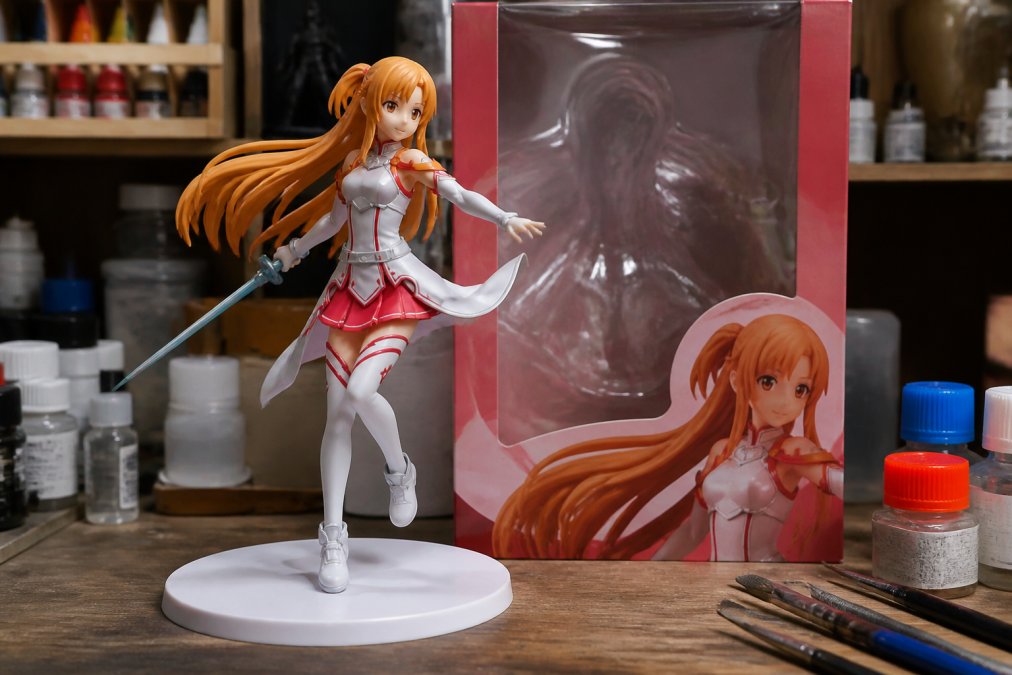
Packaging authenticity is your first checkpoint. Genuine figures come in boxes with precise printing, correct font sizing, and accurate branding. Counterfeit packaging often has blurry text, misspelled manufacturer names, or color registration errors. The serial number should be cleanly printed, not smudged or hand-written.
Sculpting quality separates authentic from bootleg. Real figures have clean seams, consistent paint application, and sharp detail work. Counterfeit figures often show rough seams, paint bleeding, and softer detail definition. The sculptor's signature or manufacturer's mark should be present and clearly legible.
Material consistency matters. Most anime figures use PVC or ABS plastic, resin, or polystone. Bootlegs sometimes use cheaper materials that feel lighter, more brittle, or waxy. Authentic figures have consistent material weight and feel.
Paint quality is where fakes most obviously fail. Real figures have smooth, even paint coverage with sharp color transitions. Bootlegs often show paint imperfections: drips, overspray, inconsistent opacity, or misaligned eyes.
Box condition and contents tell a story. Authentic figures arrive with protective packaging and instruction sheets. Bootleg boxes often lack these elements or include cheap cardboard inserts.
To verify authenticity when buying secondhand, request detailed photos from multiple angles and compare against official product photos from the manufacturer's website. Check the seller's history and reviews. Established sellers with hundreds of positive reviews are far less likely to be selling counterfeits than new accounts with limited feedback.
Best Anime Figure Brands for Collectors and Long-Term Value
Not all anime figure brands hold value equally.
Good Smile Company produces nendoroids and figma figures. These highly articulated figures command strong secondary market prices, especially limited editions. Nendoroids typically retain 60-80% of retail value if kept in good condition; figma figures often hold 70-90%.
Kotobukiya specializes in scale figures and statues. Their 1/7 and 1/8 scale PVC figures, particularly limited editions, appreciate well over time. A Kotobukiya limited edition from 3-5 years ago often sells for 120-180% of original retail (peer-reviewed research).
Bandai dominates the Gundam and model kit space. Limited edition Gundam figures and premium model kits from Bandai's Real Grade or Master Grade lines hold value better than standard offerings.
Max Factory and Alter produce premium scale figures with exceptional sculpting and paint work. Limited editions from these brands often appreciate 100-300% over 3-5 years, though initial retail prices are substantial.
Funko Pop figures present a different investment profile. Mass production means most depreciate. Only chase variants (rare color variations or limited production runs) appreciate meaningfully.
Blind box manufacturers like Pop Mart create collectible figures in sealed boxes. Chase variants from early production runs appreciate, but the secondary market is volatile. Prices can collapse once supply increases or hype fades.
The key pattern: established manufacturers with proven track records, limited production runs, and passionate collector communities create the best conditions for appreciation.
How to Store Anime Figures to Maintain Value Over Time
Storage conditions directly impact long-term value. A figure stored properly in a climate-controlled environment maintains condition far better than one exposed to temperature swings, humidity, and light.
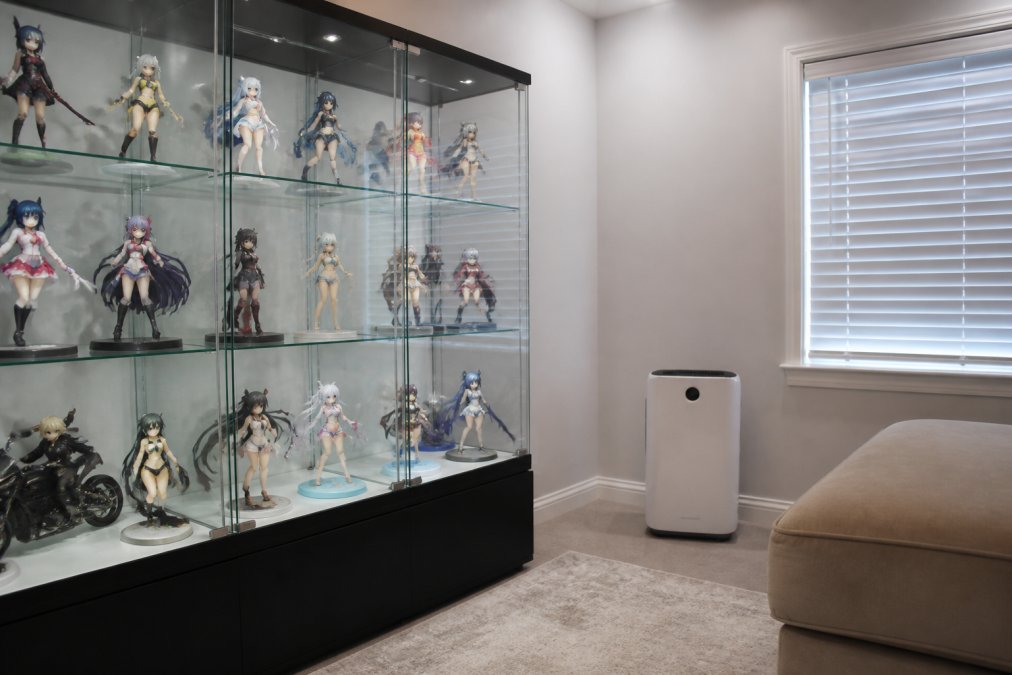
Temperature stability is critical. Fluctuating temperatures cause plastic to expand and contract, leading to stress cracks and paint separation. Store figures in environments that remain between 65-75°F (the NIH). Avoid basements, attics, and garages where temperature swings are extreme.
Humidity control prevents damage to both figure and packaging. High humidity causes paint to peel and cardboard to warp. Low humidity causes plastic to become brittle. Target humidity between 40-50% (the NIH). Consider using silica gel packets or small dehumidifiers in storage areas.
Light exposure causes fading and discoloration. UV light degrades paint colors and causes plasticizer breakdown in PVC figures. Store figures away from direct sunlight and fluorescent lighting. If displaying, use UV-protective glass or acrylic cases with LED lighting.
Packaging preservation matters for investment figures. Keep original boxes, packaging materials, and instruction sheets in acid-free boxes. Mint in box figures command significantly higher secondary market prices than loose figures.
Display cases protect figures from dust and physical damage. Clear acrylic or glass cases keep figures visible while protecting them from handling and accidental damage.
Handling practices prevent damage. Handle figures minimally and support them properly, as some have fragile parts, extended weapons, or delicate accessories.
For high-value figures, consider climate-controlled storage units if your home environment is unstable. The cost is justified for figures worth $500 or more.
The Secondary Market: Liquidity, Exit Strategies, and Tax Implications
Understanding the secondary market is essential for anyone treating anime figures as investments.
Liquidity varies significantly by figure type and rarity. Common figures sell within days to weeks. Rare limited editions may take months to find a buyer. Very rare figures might sit unsold for a year or longer if you're unwilling to discount.
The primary secondary market channels are specialized online retailers, auction sites, and direct collector communities. Utopia Toys and Models connects collectors with quality figures, providing both buying and selling opportunities.
Pricing on the secondary market fluctuates based on current demand. A figure might sell for $250 today and $180 three months later if supply increases or hype fades.
Exit strategy should be part of your investment plan. Establish a target price and timeline. Are you holding for 2 years, 5 years, or indefinitely? Clear exit criteria prevent emotional decision-making.
Tax implications are often overlooked. In the United States, collectibles are taxed as capital gains. If you sell a figure for profit after holding it more than one year, you owe long-term capital gains tax on the profit. Short-term gains are taxed as ordinary income. Detailed record-keeping of purchase prices, dates, and sale prices is essential.
Collectibles held more than one year are taxed at a maximum 28% capital gains rate, higher than the standard 15-20% long-term capital gains rate for stocks. This tax treatment makes it harder for figures to generate strong after-tax returns compared to traditional investments.
Collecting Versus Investing: Key Differences and Risks
The distinction between collecting and investing fundamentally shapes your approach and expectations.
Collectors buy figures they love. They prioritize personal enjoyment, display quality, and emotional connection. Resale value matters secondarily. A collector might spend $150 on a figure they'll display for years, accepting that it might only resell for $100.
Investors buy figures for appreciation. They prioritize rarity, limited production, manufacturer reputation, and secondary market demand. Emotional attachment is irrelevant. An investor buys a figure only if they believe it will appreciate faster than alternative investments.
These approaches require different strategies. Collectors can buy figures from any manufacturer and production run. Investors must be selective, targeting only figures with strong fundamentals: limited production, established manufacturer reputation, and documented secondary market demand.
Risks differ between approaches. Collectors face depreciation risk but this matters less if they're primarily enjoying the figures. Investors face the risk of their entire portfolio depreciating if the anime collectibles market cools.
Market saturation is a real risk. New figures are released constantly. If you own 100 figures from a popular franchise and that franchise fades, your entire collection faces depreciation pressure. Diversification across franchises and manufacturers helps mitigate this risk.
Liquidity risk means if you need to sell figures quickly, you may be forced to accept discounts. Figures that would normally sell for $300 might only fetch $200 if you need to liquidate quickly.
Authentication risk in the secondary market means you could accidentally purchase counterfeit figures. This risk is manageable if you buy from reputable retailers like Utopia Toys and Models.
The honest assessment: anime figures can appreciate, but they're not reliable wealth-building vehicles. They work best as a hybrid approach, buy figures you genuinely enjoy, store them properly, and accept that any appreciation is a bonus rather than a guaranteed outcome.
| Factor | Collector Approach | Investor Approach |
|---|---|---|
| Primary motivation | Personal enjoyment | Financial appreciation |
| Selection criteria | Personal preference | Rarity, limited production, demand |
| Storage investment | Standard display | Climate-controlled preservation |
| Exit strategy | Flexible, no deadline | Target price and timeline |
| Risk tolerance | Low (enjoy regardless) | High (depends on appreciation) |
| Expected returns | None assumed | 50-200% over 3-5 years |
| Tax implications | Capital gains on sales | 28% long-term capital gains rate |
The question of whether anime figures are a good investment depends on your definition of "good." If you're comparing them to stock market returns or real estate appreciation, they underperform significantly and carry higher risk. If you're comparing them to pure hobbies that provide no financial return, certain carefully selected figures can generate meaningful appreciation.
The figures most likely to appreciate are limited editions from established manufacturers like Good Smile Company, Kotobukiya, and Bandai, stored in mint condition with original packaging. These fundamentals, rarity, manufacturer reputation, condition, and preservation, are non-negotiable for investment-grade figures.
For most collectors, the best approach is to buy figures you genuinely want to display and own, prioritize proper storage to maintain condition, and accept that any financial appreciation is secondary to the enjoyment you derive from the figures themselves. If you do sell, you'll have the satisfaction of knowing you preserved a piece of anime culture while potentially recouping a meaningful portion of your investment.
At Utopia Toys and Models, we help collectors and investors source authentic, high-quality figures from top manufacturers. Whether you're building a collection for personal enjoyment or carefully selecting investment-grade pieces, we provide transparent inventory information, reliable shipping, and access to the figures most likely to hold or appreciate in value. Start with figures you genuinely love, store them properly, and let the market rewards follow.
Frequently Asked Questions
Q: Do anime figures hold their value over time?
A: Value retention depends heavily on condition, rarity, and brand reputation. Limited edition figures from established manufacturers like Bandai and Kotobukiya can appreciate, while mass-produced standard releases may depreciate. Mint condition figures with original packaging retain value significantly better than opened or played-with figures. Market demand and production run size are critical, smaller production runs typically appreciate faster.
Q: Is it worth keeping anime figure boxes for resale value?
A: Yes, original packaging dramatically impacts resale value. Figures in mint in box condition typically sell for more than loose figures. Collectors value the original box for authenticity verification, storage protection, and completeness of the collectible asset. Damaged or missing original packaging reduces appeal to serious collectors on the secondary market, though the figure itself remains valuable if the sculpt and paint quality are intact.
Q: What makes an anime figure a better investment than others?
A: Limited edition releases, smaller production runs, discontinued lines, and figures from top-tier manufacturers can command higher appreciation. Nendoroids and figmas from Good Smile Company, scale figures from Kotobukiya, and exclusive pre-order variants tend to perform well. Condition, authenticity, rarity, and manufacturer reputation are the primary drivers. Figures tied to popular franchises with sustained fan demand also appreciate faster than generic or lesser-known properties.
Q: How do I calculate potential ROI on anime figure purchases?
A: Track your purchase price, condition grade, and current secondary market prices using auction sites and collector databases. Subtract 10-15% for platform fees and shipping costs on resale. Consistent appreciation requires deep market knowledge, patience, and selective purchasing of genuinely rare variants.
This article was written using GrandRanker